Proposed reforms to the planning system could see Sport England removed as a statutory consultee for plans involving playing fields. The Ministry of Housing, Communities and Local Government has launched a formal consultation on the proposal and we need your help to protect clubs from losing their homes.
.jpg)
The public and sporting organisations have until 13 January 2026 to share their views on the proposed changes.
Archery GB believes that Sport England should remain on the list of organisations who must be consulted on planning applications. Sport England are the only expert consultees who specifically aim to protect spaces for sport and the only statutory consultee championing the opportunity for disabled people to be active.
Removing their expertise from the planning process could have a hugely detrimental impact on all disability sport as well as on the health of the nation.
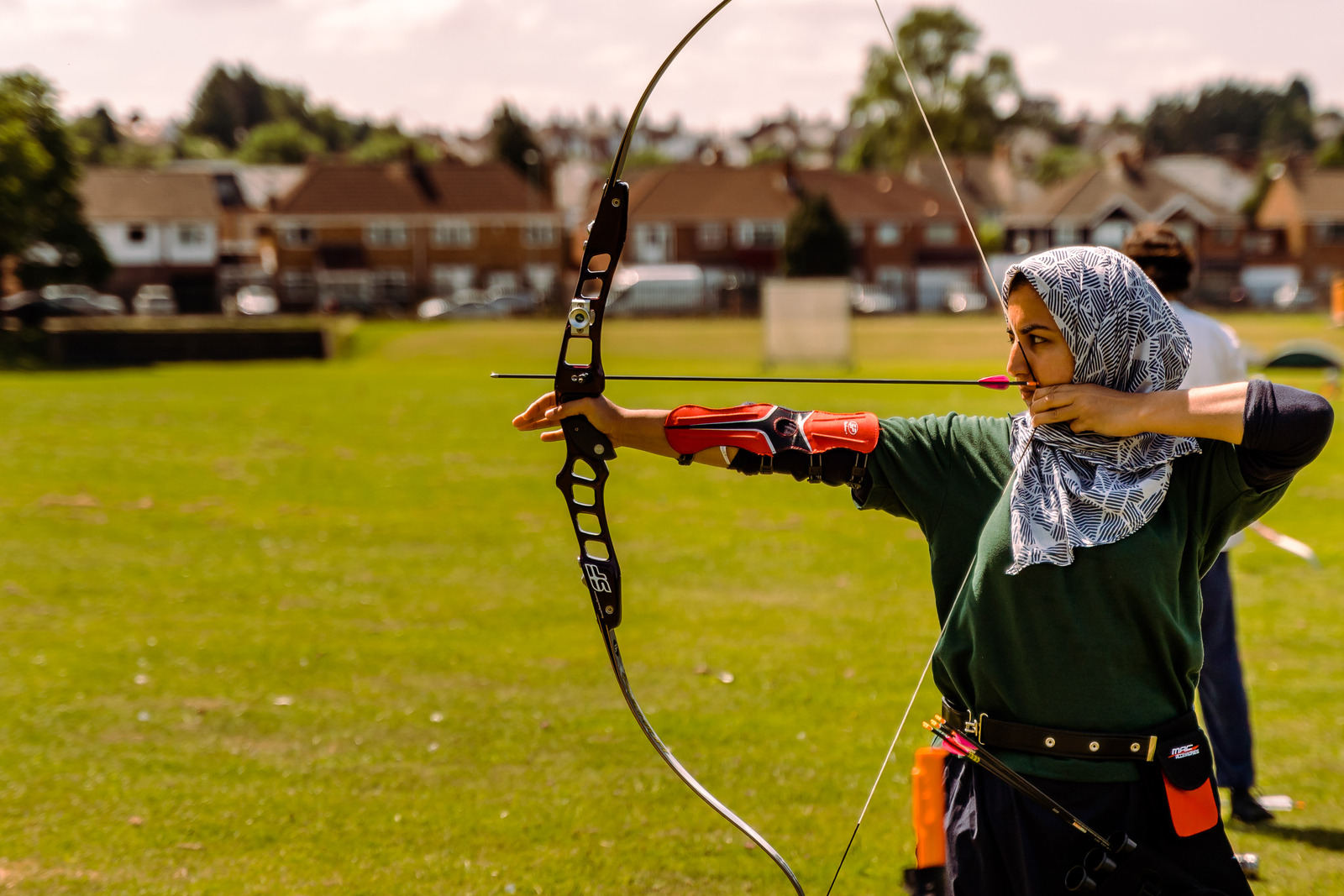
Being active has so many benefits including improving physical health, mental health and tackling isolation. Archery clubs build communities and bring people together.
Jude Handley, Head of Clubs and Membership at Archery GB, said: “In archery, we aren’t able to have planning teams, facilities funding or dedicated staff to ensure clubs are considered in planning applications, and the impact this could have would be huge for our clubs.
“Since August, we’ve supported four clubs around housing developments with the help of Sport England. All are ongoing but due to them, we’ve been able to work with developers and not have clubs kicked out.”
The help we’ve received has ensured:
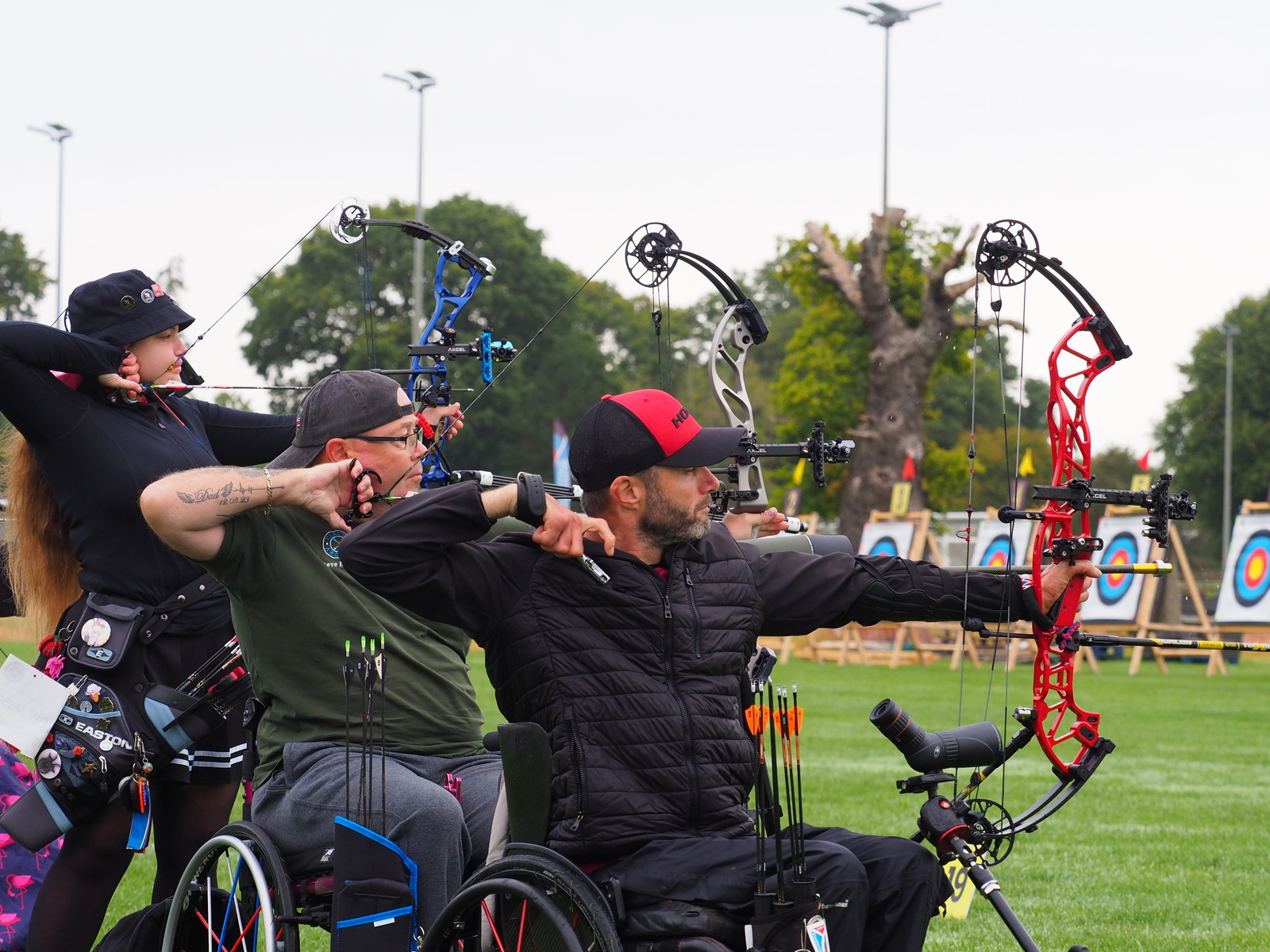
While losing clubs affects all archers, we’re particularly concerned about the impact on our disabled members. Many disabled archers, including neurodiverse people, have shared how archery enables them to participate in sport and feel a sense of belonging, often for the first time.
One in five people in England have a long-standing limiting disability or illness. Sport England data shows disabled people are almost twice as likely to be physically inactive (43%), compared with those without a disability (23%). This inequality increases sharply as the number of impairments a person has increases, with 51% of people with three or more impairments inactive. Disabled people face more challenges finding inclusive sports and clubs that can support them to be active. Therefore, when clubs lose grounds disabled people are disproportionately affected.
Sport England have had a formal role in the planning system since 1996; a role they were given to tackle the number of playing fields that had been lost to developers in the years before. They were a safeguard against national planning policies that were failing to protect places to play. If we remove that safeguard now, who’s to say that this pattern won’t repeat?
And given Sport England object to 0.001% of the 360,000 applications they respond to each year, removing them from the system is unlikely to make any impact on the Government’s aim to build 1.5 million homes, which is what these reforms aim to enable.
We’re working with the Sport and Recreation Alliance on a formal response to the consultation.
Alongside this, we encourage all clubs and members to respond directly to the consultation using the pre-filled email response and template document the Alliance has provided here.
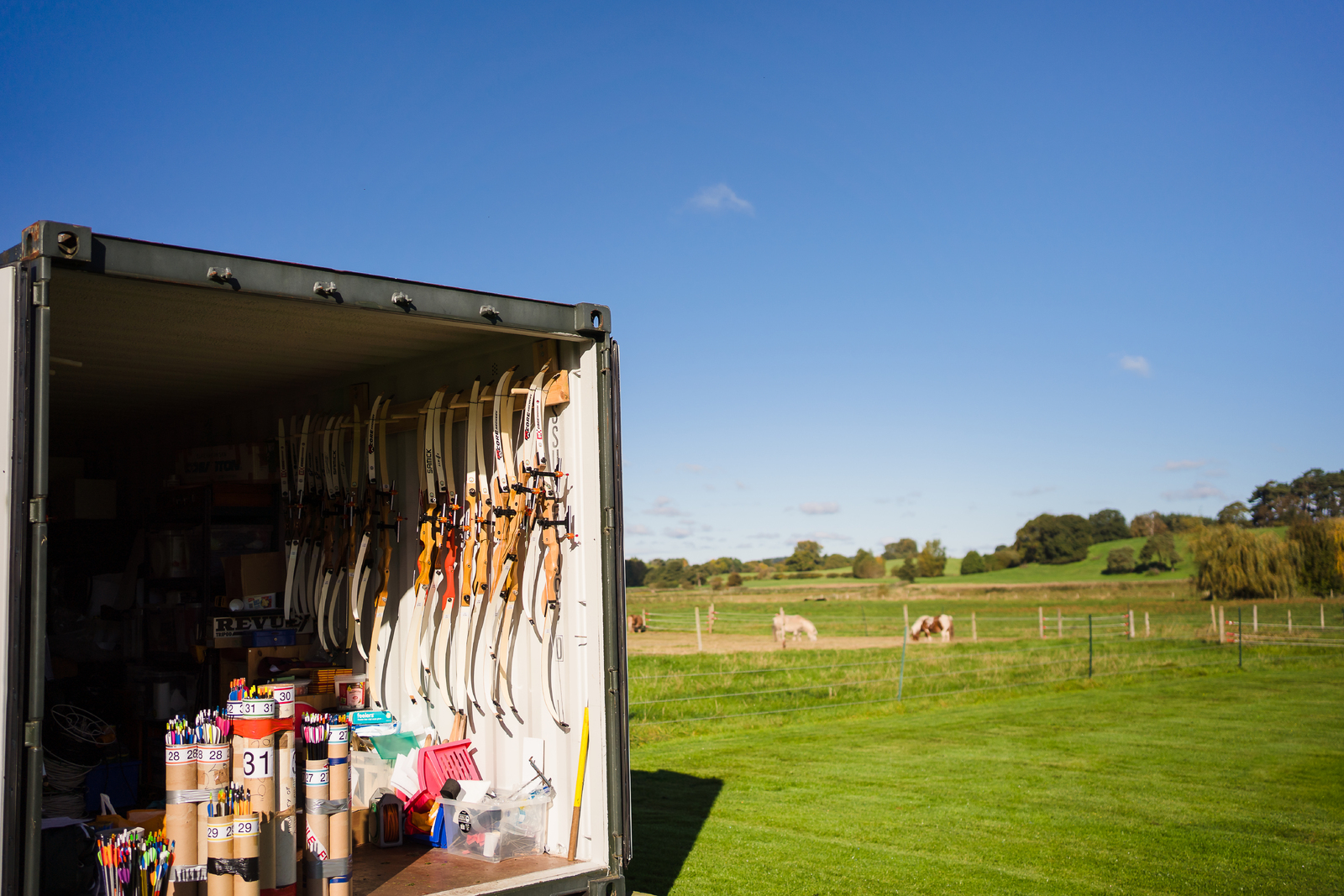
As well as responding to the consultation, AGB is asking for members to sign an online petition to maintain Sport England's role in the planning system. Please sign and share far and wide to ensure sport has a seat at the table in planning decisions.
Archery changes lives, whether it’s through being part of a community, building self-confidence through personal achievement or keeping active. Help us protect clubs so that more lives can be enriched through archery.
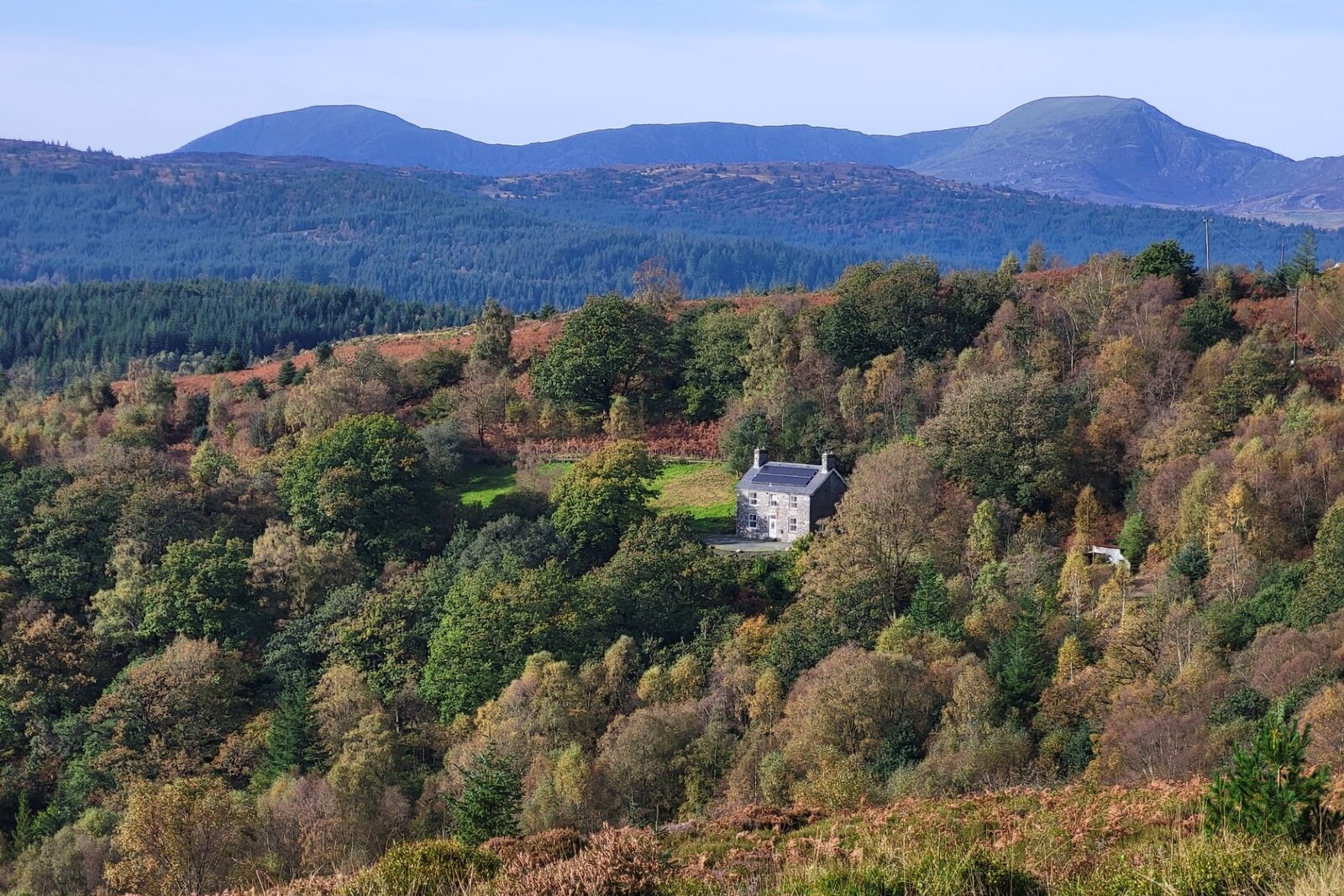 Escape to the wild: Introducing our partnership with Snowdonia Archery Retreats
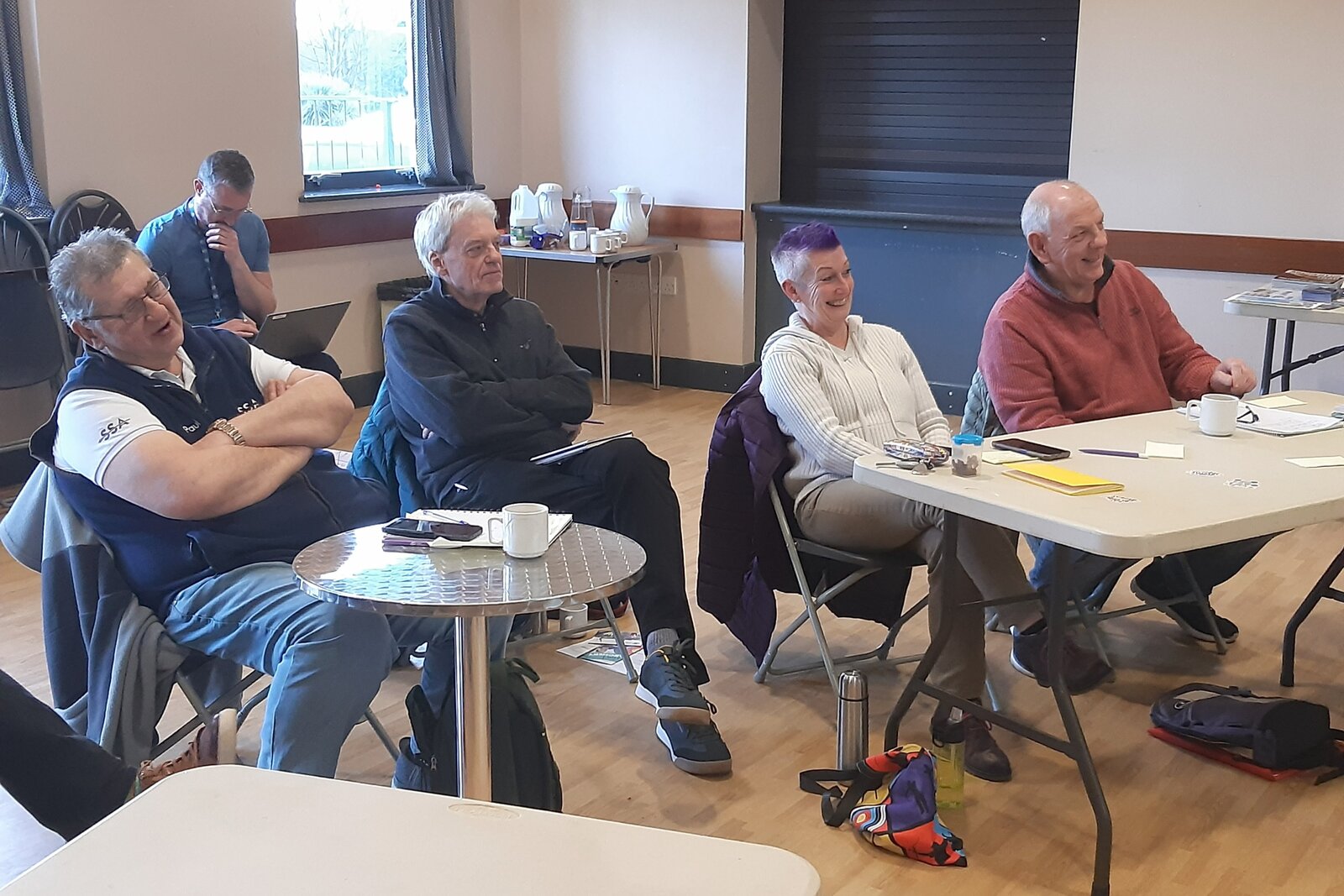 OnTarget Club Development Days kick off in Nottinghamshire
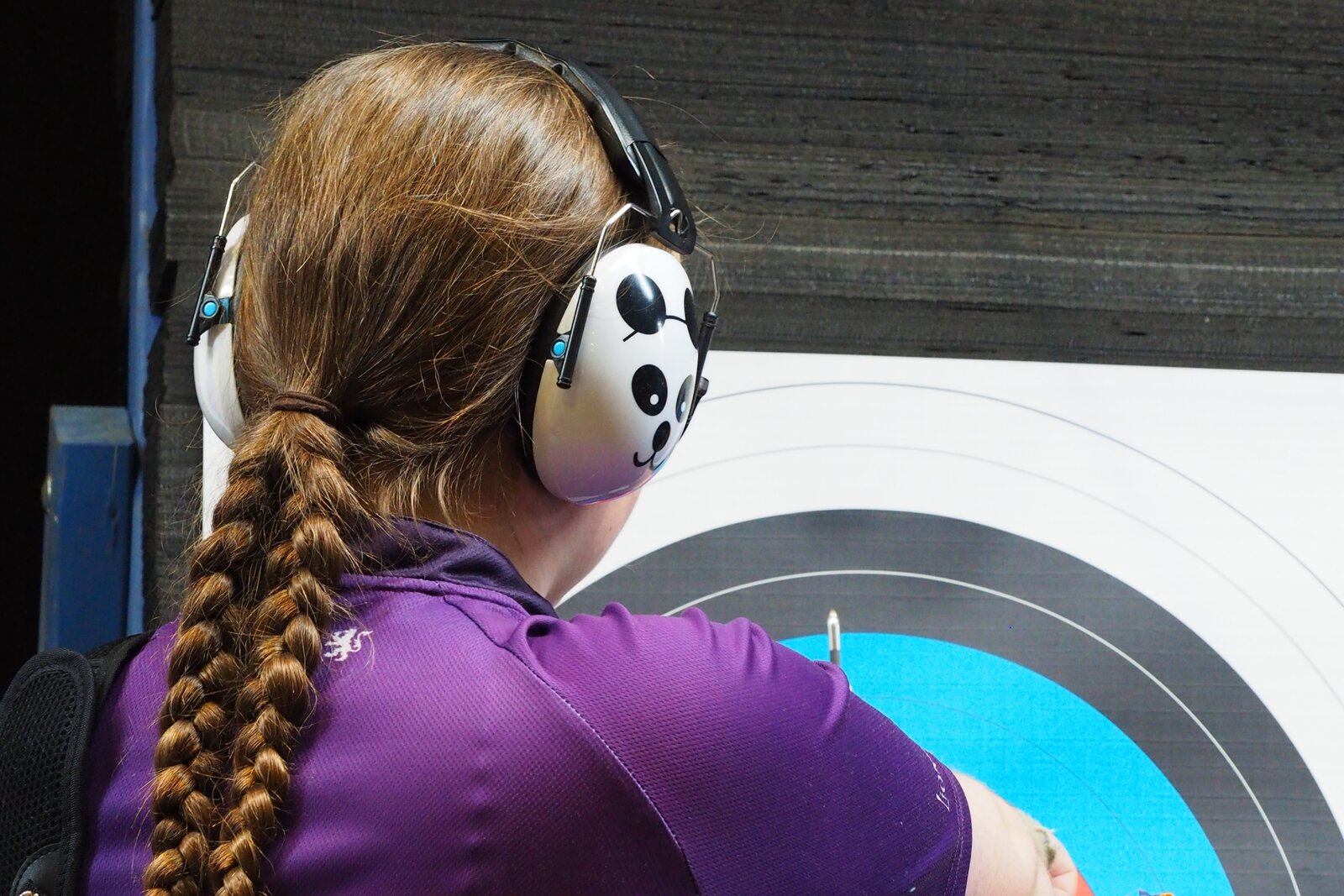 Courses on hidden disabilities, mental health, and ageing
 New videos show the vital role of spotters in VI archery
 Great Britain recognised twice in 2025 World Archery Awards